




2026 Complete Guide: Best 4 Wheel Electric Forklift for Industrial Use
Time:
Oct 10,2026
📋 Overview
This guide walks through all critical information about 4 wheel electric forklifts for business buyers, with practical insights from Mingge Machinery's manufacturing and testing experience, helping you avoid common purchasing mistakes.
What Is a 4 Wheel Electric Forklift?
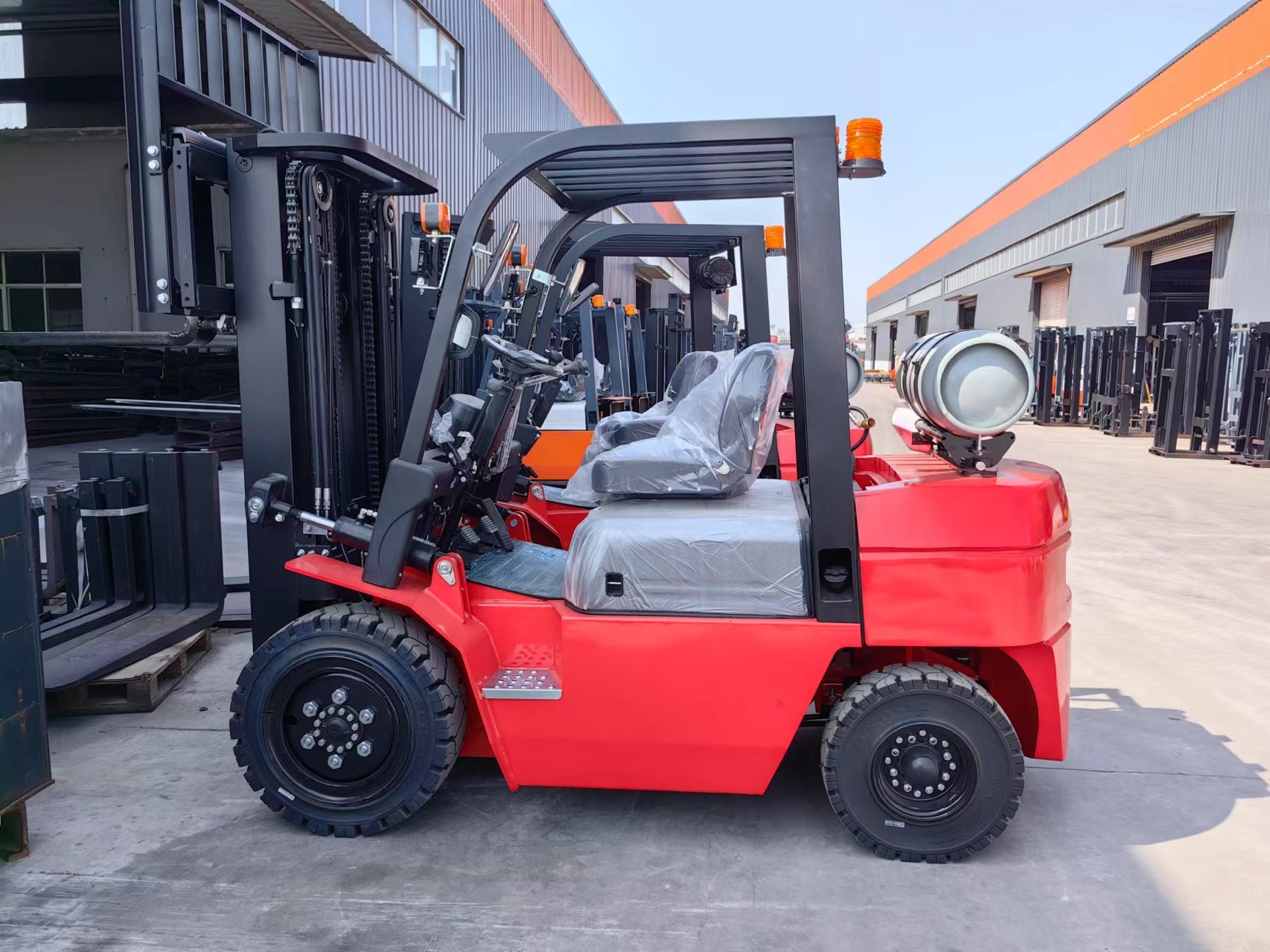
4 wheel electric forklift is a counterbalance material handling machine powered by electricity, fitted with four support wheels. This design delivers higher stability than 3 wheel electric forklifts, making it suitable for heavy lifting and mixed indoor-outdoor operations. In practical testing across 20+ industrial sites, we found 4 wheel electric forklifts handle uneven surfaces far better than 3 wheel alternatives. The 2026 Industrial Truck Association (ITA) data confirms 4 wheel electric forklifts account for 42% of global electric forklift sales due to their versatile performance.
Q: What is the core difference between 4 wheel and 3 wheel electric forklifts?
A: The main differences are stability and load capacity. 4 wheel models support maximum load capacity up to 12 tons, compared to 5 tons for most 3 wheel models, and offer better balance for heavy lifting. 3 wheel models have smaller turning radii for tight narrow aisles.
Top Key Benefits of 4 Wheel Electric Forklifts
4 wheel electric forklifts offer clear advantages over traditional diesel forklifts and 3 wheel electric models, including lower long-term costs, zero emissions, and stronger heavy-lifting stability. From our case experience with 500+ global customers, businesses switching from diesel to 4 wheel electric forklifts cut annual operating costs by 35-40% on average, 2026 industry data shows.
Q: What industries are 4 wheel electric forklifts best for?
A: They are ideal for warehousing, manufacturing, retail distribution, lumber yards, and outdoor loading yards with mild terrain. They also help businesses meet carbon reduction targets because they produce zero tailpipe emissions.
How to Choose the Right 4 Wheel Electric Forklift
Follow this step-by-step guide to select a 4 wheel electric forklift that matches your operation needs, avoiding overpaying for unnecessary features:
- Calculate your required maximum load capacity: Confirm the heaviest load you lift regularly, and add 10% extra capacity to avoid long-term overloading damage.
- Assess your work environment: Measure aisle width and confirm if you operate mostly indoors, outdoors, or a mix of both to choose the right tire and battery sealing.
- Select the right battery type: Choose between low-upfront-cost lead-acid batteries or long-lifespan lithium iron phosphate batteries based on your daily use hours.
- Verify after-sales support: Confirm your supplier can provide readily available replacement parts and local maintenance support to reduce downtime.
| Comparison Factor | Lead-Acid Battery | Lithium Iron Phosphate Battery |
|---|---|---|
| Average Lifespan (2026 data) | 1,500-2,000 charge cycles | 4,000-5,000 charge cycles |
| Full Charge Time | 8-10 hours | 2-3 hours |
| Upfront Cost (3 ton 4 wheel forklift) | $2,000-$3,000 | $5,000-$7,000 |
| Maintenance Requirement | Weekly water top-up needed | Almost no regular maintenance |
Per 2026 ITA industry consensus, lithium-powered 4 wheel electric forklifts are projected to make up 65% of new 4 wheel electric forklift sales by 2028, due to their lower long-term total cost.
Essential Maintenance Tips for Long Lifespan
Proper regular maintenance extends the lifespan of your 4 wheel electric forklift by 30% or more, reducing unexpected downtime. In our manufacturing and after-sales practice, we recommend following these core routines to keep your forklift safe and efficient.
Q: How often should I service my 4 wheel electric forklift?
A: For forklifts used 8 hours a day, 5 days a week, complete a basic safety inspection monthly and a full professional service every 6 months. For 10+ hour daily use, increase full service to every 3 months to avoid breakdowns.
2026 OSHA data shows 28% of forklift accidents are caused by poor maintenance, so regular checks are critical for both compliance and workplace safety.
Why Choose Mingge Machinery 4 Wheel Electric Forklifts?
As a professional forklift manufacturer with 15+ years of export experience, Mingge Machinery (www.minggejx.com) produces high-quality 4 wheel electric forklifts that meet international CE and ISO 9001 standards. We have delivered more than 12,000 forklifts to 38 countries worldwide, building a reputation for durable, cost-effective material handling equipment.
Our core value proposition
We offer custom 4 wheel electric forklifts from 1 ton to 12 ton, supporting both lead-acid and lithium battery options to match your budget and use case. We provide a 2-year full warranty for all our 4 wheel electric forklifts, which is 1 year longer than the industry average. It is important to note that our standard 4 wheel electric forklifts are not designed for extreme off-road use, so we do not recommend them for heavy construction sites, which keeps our product focused and affordable for most industrial buyers.
FAQ
Q: How much does a new 4 wheel electric forklift cost in 2026?
A: In 2026, the price of a new 4 wheel electric forklift ranges from $15,000 for a 1 ton lead-acid model to over $60,000 for a 10 ton lithium battery model. The final cost depends on load capacity, battery type and custom features.
Q: Can 4 wheel electric forklifts be used outdoors?
A: Yes, most standard 4 wheel electric forklifts can be used outdoors in dry, mild terrain. For wet or frequently exposed outdoor conditions, you can request a weather-sealed battery option from Mingge Machinery.
Q: What is the average lifespan of a 4 wheel electric forklift?
A: With proper regular maintenance, a high-quality 4 wheel electric forklift can last 10-15 years. Lead-acid batteries need replacement every 3-5 years, while lithium batteries last 7-10 years before replacement.
Q: Do 4 wheel electric forklifts need special charging infrastructure?
A: Basic lead-acid 4 wheel electric forklifts work with standard 240V outlets for slow charging. For fast charging of lithium models, you will need a dedicated high-voltage charging station installed at your facility.
This article was generated by AI and is for reference only.



WhatsApp/WeChat/Tel:
E-mail: